Getting to grips with your energy consumption
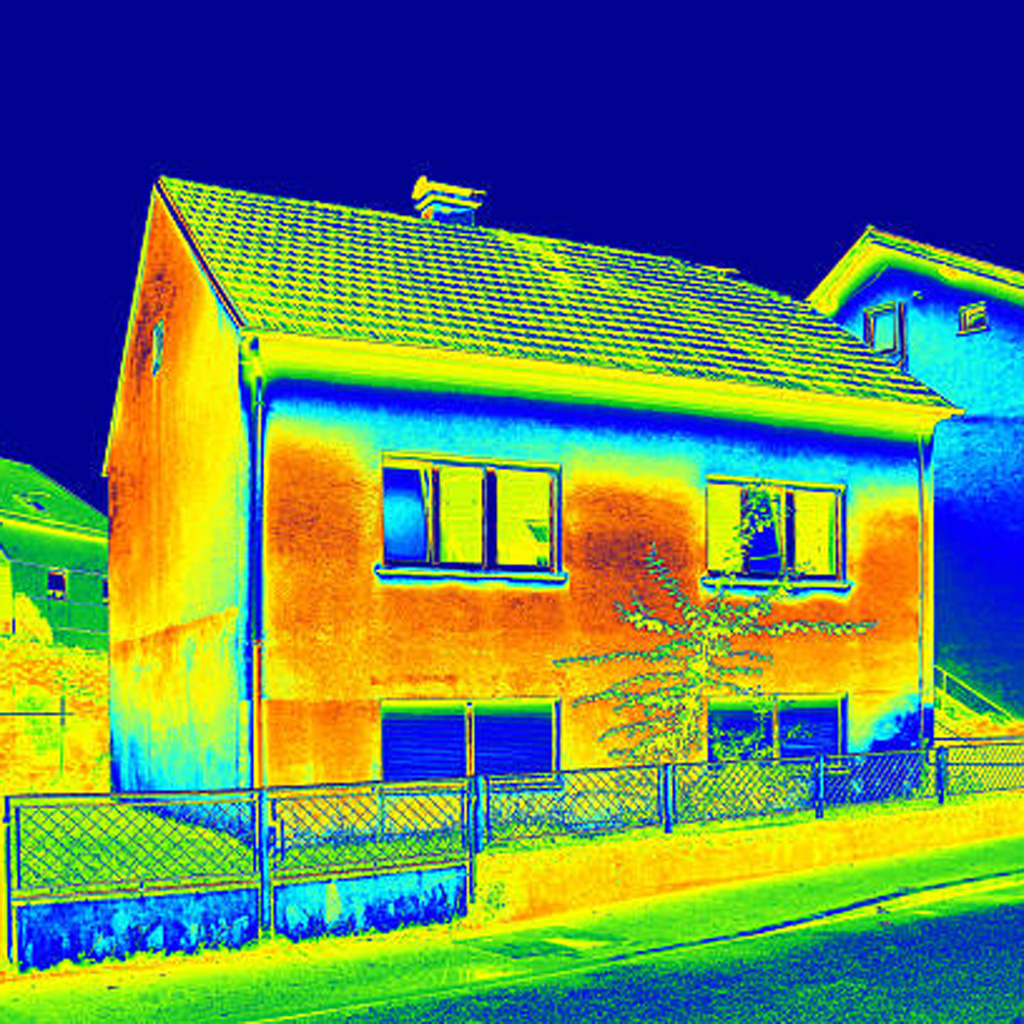
To make meaningful improvements to the energy efficiency of your home, it makes sense to first understand exactly how it’s performing now, performing an Domestic Energy Assessment
Once we’ve agreed what’s best for you and your budget, we can get going with installing the selected measures to realise immediate improvements.
We’ll take a look at how your house is insulated, heated and draughtproofed through a Domestic Energy Assessment, considering both measures advised by the EPC platform and wider measures that will contribute to a warmer, more efficient home.
These can include simple things like loft insulation, draft proofing of doors, windows, letterboxes, but also more comprehensive measures like wall insulation, floor insulation and identifying thermal bridges – less obvious areas of the building where you are losing significant amounts of heat.
LOFT INSULATION
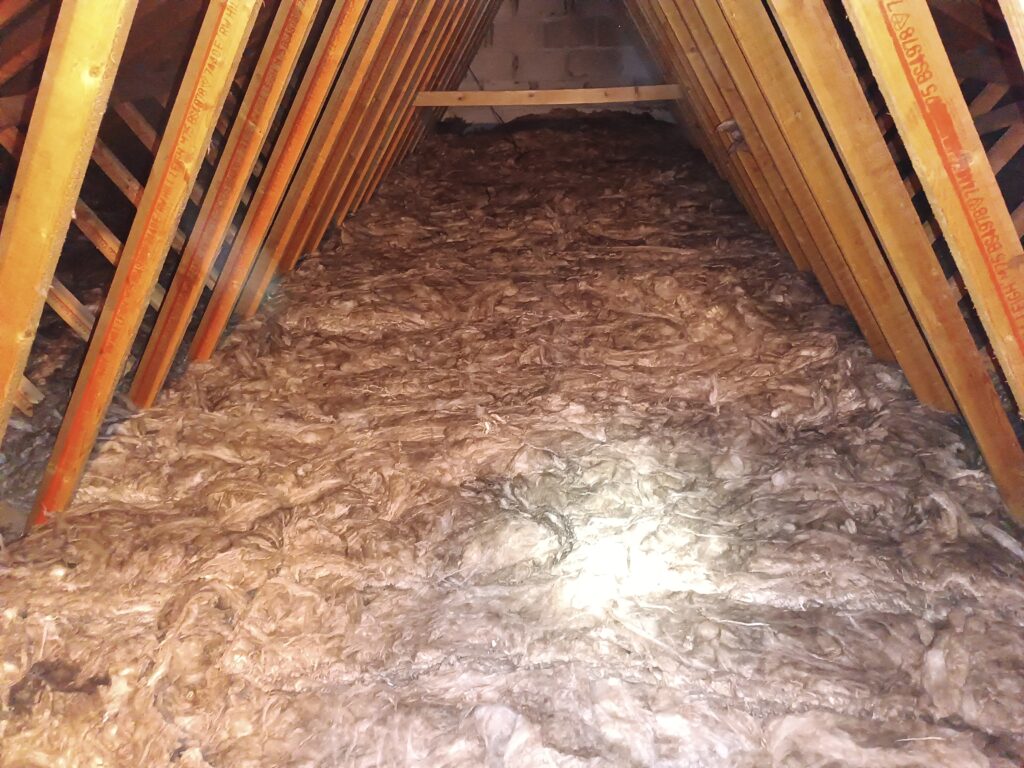
In many cases, loft insulation is the starting point. Traditional mineral wool can become compressed, saturated or loaded with dust and debris, making it ineffective.
We will take a look at the thickness, condition and material type of any existing loft insulation and establish the most effective way to make improvements. This could mean a top-up layer, removal and replacement of existing or addition of insulation to rafters, or simply leave as is.

WALL INSULATION
Certain house types have specific weak spots, where little or no insulation exists and only a single block layer and some tiles separates the inside from the outside.
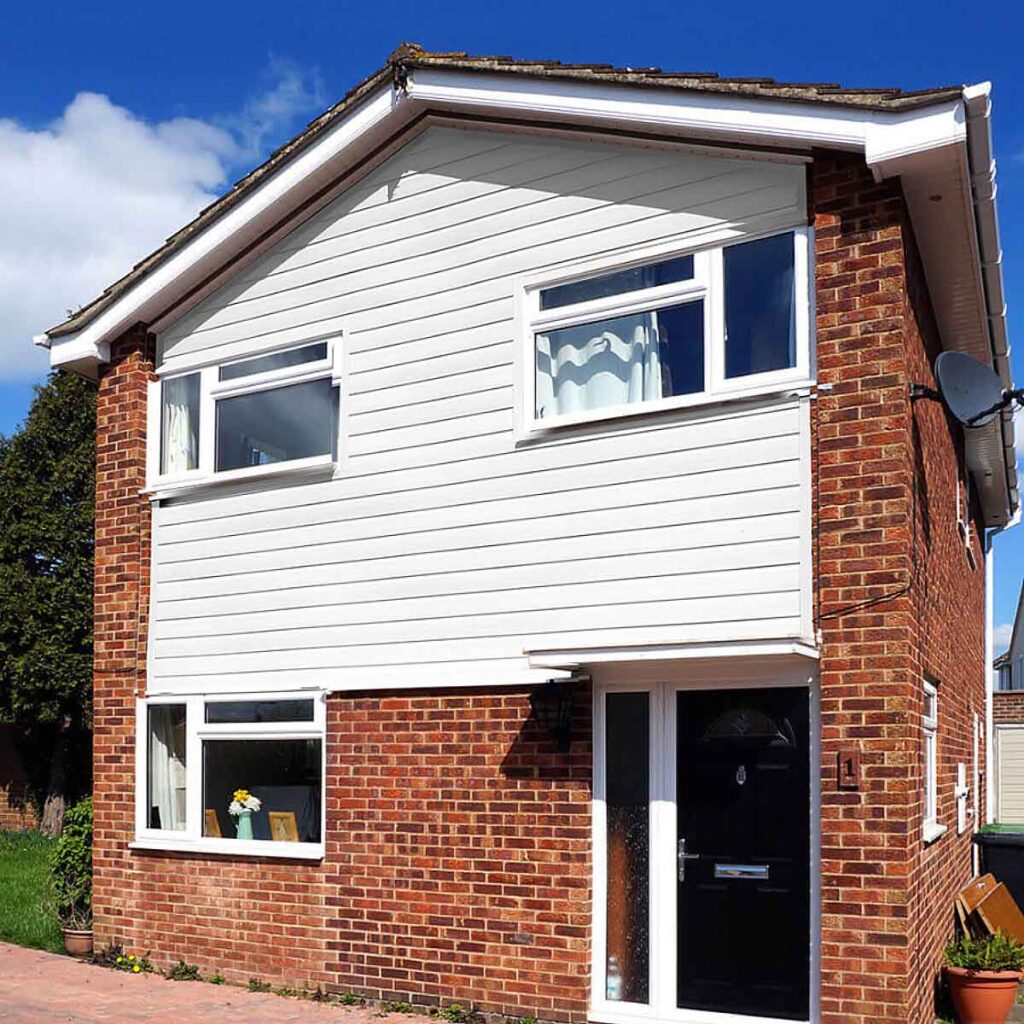
A rapid and effective way to insulate and protect the home, removing a large ‘cold sink’ from the building envelope, is removal of hung tile or cladding, insulating, and refitting a rain screen of your choice.
CLADDING SYSTEMS
Screening the newly installed insulation is simple and there are a wide range of options.
Updating the look as well as improving protection of the building will increase the value of your property. uPVC, a wide range of beautiful timbers or clever composite systems can all be employed to finish the job.
FURTHER MEASURES:
FLOOR INSULATION
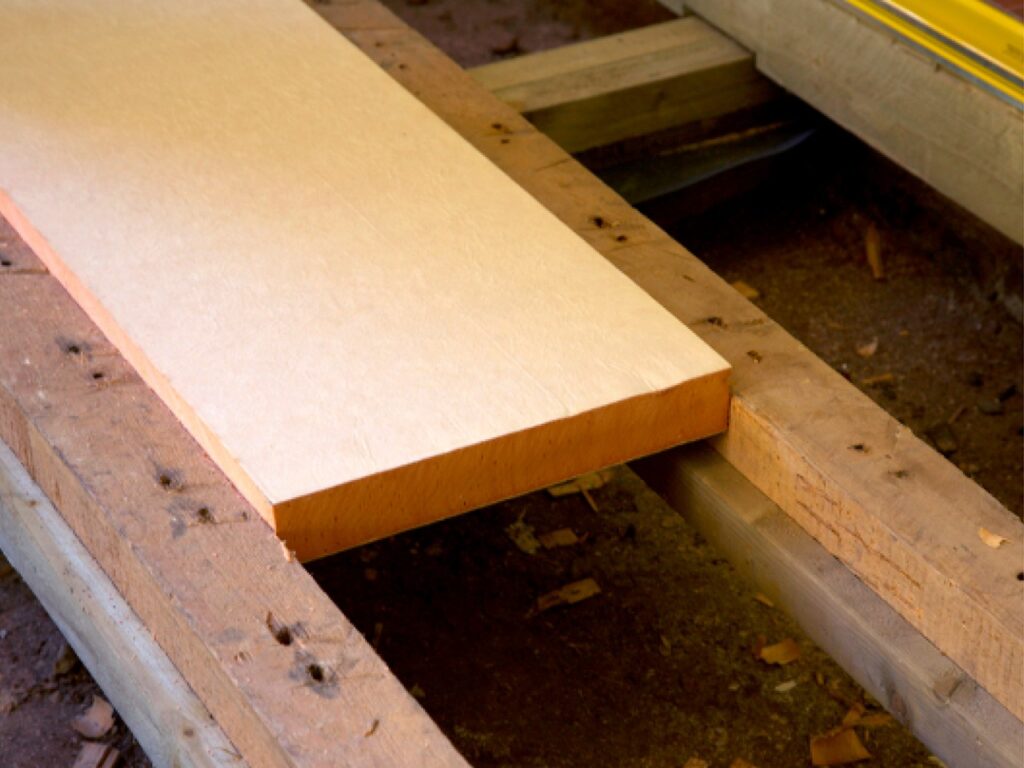
Some tricky areas like rooms over garages or older houses with suspended floors can particularly benefit from floor insulation measures, and there are a wide range of products available to suit any situation.
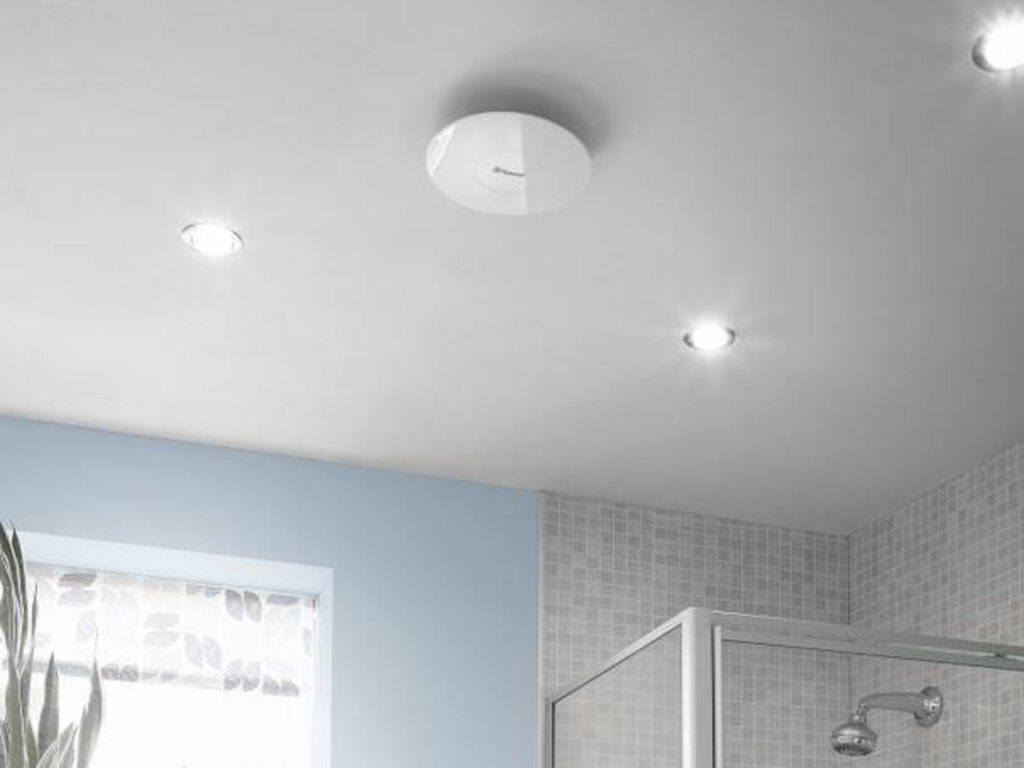
VENTILATION
When you insulate, you must ventilate. Installing trickle vents or fitting mechanical ventilation systems will help control condensation and improve the comfort of your home.
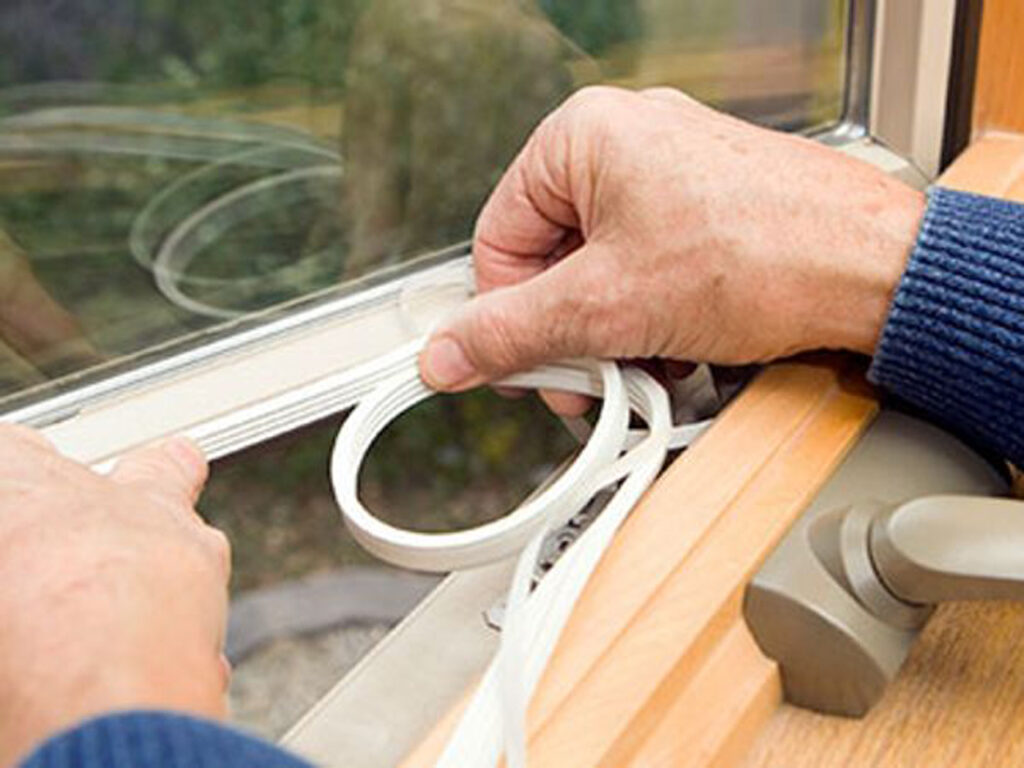
DRAUGHTPROOFING
Certain draught trouble spots can be dealt with quickly and cheaply, including loft hatches, letterboxes, external doors and windows.
We’ll take a look at how your house is insulated, heated and draft proofed and advise on measures that will contribute to a warmer, more efficient home.


Location
Nailsea, Bristol, BS48